Recycling and Sustainability at Northolt Storage
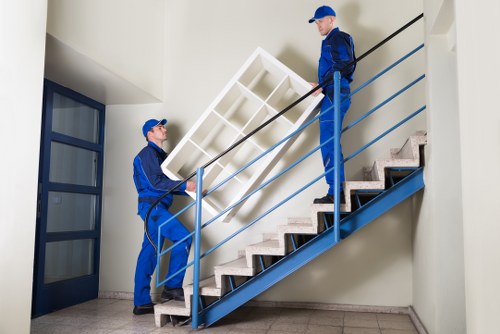 At Northolt Storage, sustainability is part of how we manage everyday operations, not an afterthought. As a local storage provider serving a busy part of West London, we recognise that responsible waste handling, smarter transport choices, and support for community reuse all play an important role in reducing environmental impact. Our Northolt storage sustainability approach focuses on practical actions that can be measured, improved, and shared across the business.
One of our clearest commitments is to a recycling percentage target that keeps us accountable. We aim to recycle at least 90% of the non-hazardous operational waste generated across our site, with the remaining material handled through approved recovery routes wherever possible. This target supports a wider storage recycling strategy that prioritises sorting at source, reducing contamination, and working with licensed waste contractors who can document outcomes accurately.
 For a storage facility, the most relevant recycling activities are often the most ordinary ones: cardboard from packing materials, plastic wrap from deliveries, damaged shelving components, paper records, metal offcuts, pallets, and other reusable or recyclable packaging. We also align our waste segregation habits with the wider borough approach to waste separation seen across West London, where dry mixed recycling, food waste, and residual rubbish are kept apart to improve recovery rates and reduce the volume sent to landfill. This kind of separation is central to Northolt recycling and helps make sorting more effective before materials leave the site.
Our site management also takes account of local transfer and processing options. We use authorised local transfer stations and waste handling facilities in and around the area to ensure materials are weighed, separated, and moved into appropriate recycling streams. By keeping transport distances sensible and choosing facilities with strong environmental controls, our recycling at Northolt Storage efforts support lower emissions and better traceability. This local route also helps us monitor how much material is diverted from general waste and where opportunities exist to improve recovery.
 Partnerships with charities are another important part of our sustainability work. Where items are suitable for reuse, we seek to pass them on through charity partnerships rather than sending them for processing. Gently used office furniture, shelving, household items, and surplus packing materials can often find a second life with charitable organisations that support families, community projects, and refurbishment schemes. This approach helps reduce waste, keeps useful goods in circulation, and reflects a broader Northolt storage recycling commitment to reuse before disposal.
We also look carefully at the vehicles that support our daily operations. Our low-carbon vans are chosen to reduce fuel consumption and emissions, especially for local moves, supply runs, and collection work within the borough. Where possible, we favour efficient models and smarter routing so journeys are shorter and less congested. In a dense urban area, that means less idling, fewer unnecessary trips, and a smaller carbon footprint overall. These transport choices complement our recycling goals by tackling environmental impact from both waste and logistics perspectives.
Beyond core operations, we encourage a culture of careful material use. Staff are trained to identify recyclable items correctly, separate waste into the right streams, and keep contamination low, which is particularly important where borough collections and private waste handling rules can vary by material type. That includes recognising the difference between clean cardboard, plastic film, mixed paper, metal packaging, and non-recyclable composite items. These small habits may seem simple, but they make a meaningful difference to the effectiveness of Northolt recycling practices and support stronger recovery rates over time.
Recycling and sustainability also extend to how we plan for the future. We regularly review our procurement choices, packaging use, and storage processes to see where materials can be reduced or substituted with more sustainable alternatives. Reusable crates, longer-lasting packing supplies, and digital record-keeping all help reduce unnecessary waste. By making these adjustments, Northolt Storage can keep improving its environmental performance without compromising the reliable service customers expect.
 In practical terms, this means treating sustainability as an ongoing cycle: prevent waste where possible, reuse where appropriate, recycle what remains, and support responsible disposal only when no other route is suitable. That mindset is especially relevant in the boroughs around Northolt, where mixed residential and commercial activity creates a steady flow of paper, cardboard, plastics, metals, and bulky items that benefit from careful handling. Our Northolt storage sustainability programme is designed to contribute positively to that wider local system.
Looking ahead, we are focused on maintaining high standards and improving year by year. Our recycling percentage target gives us a clear benchmark, while local transfer station partnerships, charity reuse networks, and low-carbon vans provide practical ways to meet it. Together, these actions create a more responsible operating model that reduces waste, lowers emissions, and keeps useful resources in circulation for longer.
 At Northolt Storage, sustainability is not a separate initiative; it is built into how we manage space, materials, and movement. Through storage recycling, reuse partnerships, careful separation, and cleaner transport, we are working toward a greener future for our business and the local community we serve. Each improvement helps us support a more circular economy, where less is wasted and more is given a valuable second life.